Podcast
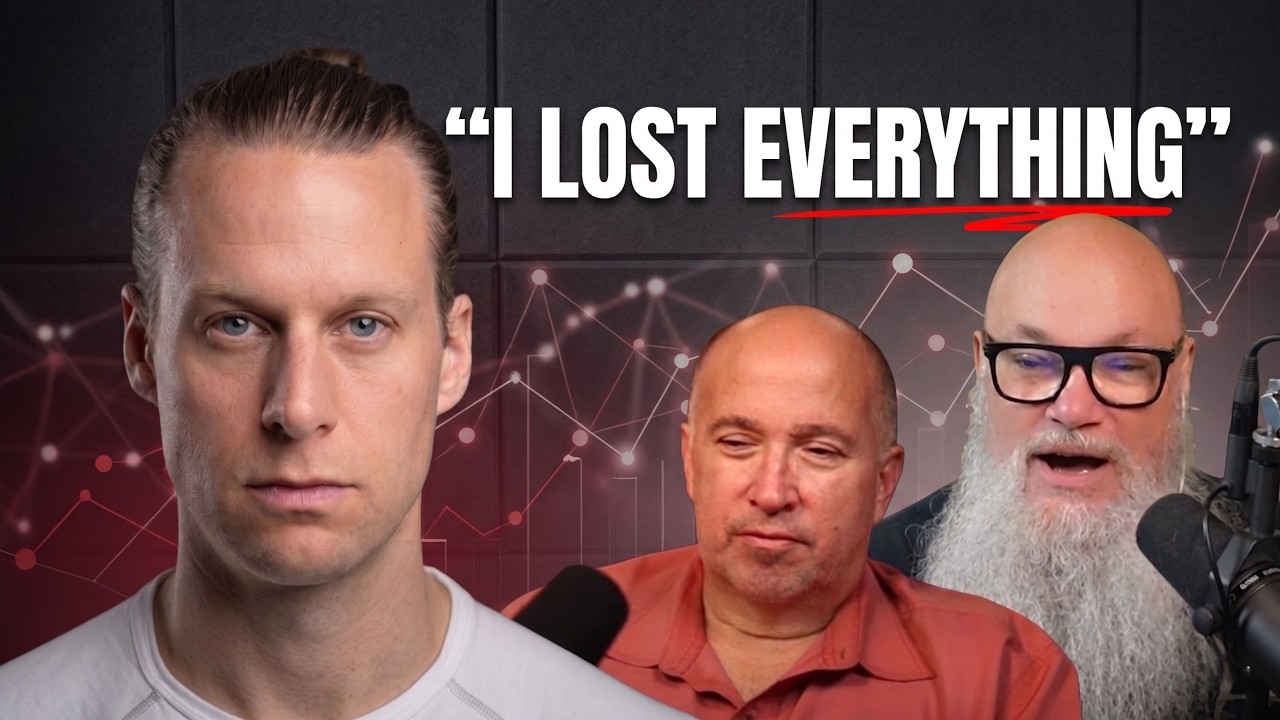
From $280K in Debt to an Agency Empire...
Summary
"From band life to Amazon success, Chris Rawlings turned a touring injury into a top-selling spinal health brand, then helped others crack the German market. But a predatory investor left him $280K in debt, teaching tough lessons in resilience. Now, Sophie Society thrives on a culture where team members run their own P&L, proving that non-monetary incentives like peer respect can drive top performance."
Transcript
I spent a good amount of time in a touring rock band. That's when like after hundreds of live shows played and stage dives and carrying a big heavy bass amp and stuff like that, I herniated a disc and that just became like the inspiration for my first brand. So, I started creating these spinal health products. I got like really fast, really early success. I started posting about it in these groups. I was in these different mastermind groups. I started getting people reaching out to help them with their launch, help them with their PPC, help them with different things. And that was the synthesis of me starting to work with other sellers to help them succeed. The main way to attract people who are really, really good is to give them a game to plug into that connects their success to their own financial success and their own rewards. Basically, everyone who comes into the company is running their own company inside the company. You're watching Marketing Misfits with Norm Ferrar and Kevin K. >> Mr. King, what's up? How you doing, Norm? Good to see you again, man. >> Yeah, and you too. So, >> you're back from uh back from court duty, huh? >> Sucks. Sucks. >> I didn't know I didn't know you had uh So, in Canada, it's similar to the US where you have uh they get you get called for jury duty. Is that what it is? >> Yeah. And it's, you know what, if it wasn't a waste of time, it would be cool. But most of the time, you're just sitting. Lawyers are bickering back and forth. Then you're called in, and like yesterday, I can't get into the details, but we waited the whole time. The defense is late by 45 minutes. So, we're all sitting there waiting for them. And then both of the trials I was supposed to sit in, they pled. So we wasted the whole freaking day. >> What do you mean they pled? They just uh set Oh, >> they had a plea deal. >> Oh, >> yeah. Well, >> I'm all for jury selection, but it's just so the process is We'll get into it later, Kev. Off off the record. >> All right. over a cigar over cigar. >> Nuts. >> Speaking speaking of nuts, I mean our our guest today some some people used to think he was nuts because he would show up at events. I I remember this guy and like his whole team would be in like costumes like you know like bright I think it was bright orange one time yellow in another time and he come wearing a like a I think it was a dragon's head or something. I I can't remember it all. I'm sure he does. Uh, this guy is one of the top marketers I think out there in this in this in the Amazon space right now. >> Why don't you introduce him? >> Um, well, Chris, go ahead and bring him on. You know how to hit the button, Nor? So, you can actually bring him on. >> I'm trying to figure it's been a little while since we did this. So, >> you did it. Let's see. Add to stage. >> You got the SOP there. You got the SOP. >> The SOP is on the other screen. >> What's up, Chris? How you doing, man? What's up, guys? Dude, Kevin, I we've I've known you for a very long time. I was thinking about before I came uh came online today. It was like 11 years ago, I think, or 10 years ago at least, when we were like speaking together in Hong Kong at the Global Sources Seller Summit. >> Oh, yeah. That would have been like 2017 probably or 28 20 maybe 2017, >> I think. 2017. Yeah. >> Yeah. Yeah, I think I I spoke at that a couple times. I think it was 2017 and 2018. >> So, yeah, >> that's when we first crossed paths. So, that's coming upon a decade. That's a very long period of time. >> It is true myself when you guys were slandering me without me here. But it is true that I used to uh I used to show up to events with my team with full-on orange jumpsuits, which was a bad color choice because people always thought we'd just gotten out of jail or something. But uh these days we still do do the jumpsuits. They're just blue with a white stripe down the bottom. So instead of people thinking we're in jail, people think we're part of a car pit crew for the NASCAR or something. >> Well, I just thought you were just talking Orange is the New Black. That was like the hot series, you know, the lesbian jail series or whatever. >> All girls. >> Um, but you got your start though as a seller, right? On Amazon, weren't you? Yeah. Originally seller on Amazon. >> Actually, even Yeah. Before that, like my very first entrepreneurial fora was in solar. I was like selling solar racking systems. Um, and then I was selling uh spinal health products on Amazon to uh which came out of like a a spinal herniation that I had from being in a sca band for years. I was in a touring sca band just playing rock and roll on tour and uh herniated a disc in my spine from doing too many spades stage jumps. And um and so I started selling a a um a line of spinal health products. That was like the the story arc. >> But that was on Amazon or was on your own DTC site? >> It was both. So it was like Amazon retail and DTOC. >> So how did that evolve into launching products in Germany? like you had an agency before your before Soulfeed Society which is what you run now u what you had an agency doing like product launches in Germany I remember there's viral launch and those guys doing it in zon blast or whatever doing it in the US and then I remember hearing about yeah there's if you want to go to the German market it's a it's wide open you should go over there and there's this one guy that can help you rank to the top of page one right away and that was you >> yeah so funny what you end up being like remembered for yeah we were doing a lot of international launches. We were doing product launches in general, but international launches were like um what we became known for and specifically the German market. Dude, wow, what a good memory. This is like a trip down memory lane. Um yeah, because it was true like nobody really realized that Germany was the second biggest Amazon market. Everyone thought it was the UK or something else. They didn't realize how big the market was. And like there was a period of time like between 2016 to like 2019 where American sellers going over to Germany were just able to completely clean up because it was a big market, high prices. Yeah, you had to pay VIT VAT, but still like you could charge way higher prices and they just had they were so much less sophisticated when it came to like ranking methodologies and PPC and stuff like that. So, we were kind of like arbitrage, you know, we were just helping sellers to like take advantage of that skills arbitrage between the US and German market. Now, it's totally not like that anymore at all, but it was like that for a good four years where like you could just launch on the German market and it was like, you know, buying Bitcoin on the US exchange and selling it on like the Korean exchange, you know, for more. It was like just straight up like e-commerce ranking arbitrage. >> Are there any countries that uh you feel are like that now? >> No, not really. No, not until you get down to too small of markets where it doesn't even make sense to even try. So that's that's the thing. I I still don't think it's a bad idea to expand internationally at a certain point, but uh it's not like shooting fish in a barrel like it was at that point. like there there's every market, every major market like the US, the UK, Japan, Germany, France, Italy, Spain, um that everyone's sophisticated now. Everyone knows the game. >> Hey, Norm, I've got a quick question for you. I'm trying to manage all my affiliate and creator programs from Amazon, from Shopify, from Walmart, but it's just a freaking mess. I mean, I've got reporting coming from here and there. There's all these different Slack messages. Do you know if there's like a unified dashboard where I can do this all in one place? >> Yeah, absolutely. And you're right, it is a mess. A lot of brands are complaining about that. But there is a place that has a solution. and it's called Lavanta and they let brands recruit partners, track performance, manage payouts, send product samples, and even run creator programs across every major marketplace all in one place. And guess what? Brands can spend less time on tools and more time making profit. >> Is that the one that you sent me a link for like a 10% off coupon their gold or enterprise plan a few few days ago? >> You got it. Oh, cool, man. I think I've got that link here. Was it lavanta.iomisfits? >> Yep, you got it. >> le van na.iomisfits. >> Awesome. I'm going to go uh go hit him up right now and get that 10% off. >> Perfect. Me, too. >> Now, I think it's fair to say, let's go back to for a second on that solar panel thing you said was your first product. You know, this is the marketing misfits. And I think it's fair to say you're a misfit. And part of that might be because of the way you were brought up. It's It was like very untraditional, wasn't it? Like a treehouse with solar panels in it or something like that. >> Yes. >> House or something. It was You were brought up in like a very unique uh situation, right? Can you can you tell us about that? >> Totally. >> It's so f I'm loving these questions. It's so like different. Um yeah, pretty much. So, my brother and I grew up in like a a governmentf funed like experimental house in in the forest in um the Sourland Mountains in New Jersey. My dad is a total mad scientist. Total like, you know, off the beaten path type of guy, you know, does his own thing. Really does not care what society or or anyone thinks. So, I was raised in this like experimental. We had no AC. We had no like, you know, conventional heating in the house. This was this the whole thing was a totally off-grid fully experimental like solar home in in the forest experiment. In fact, every other weekend, part of the grant required that the public the the whole house was open to the public uh every couple of weeks. So every other weekend I'd wake up to like a whole tour of people inside my bedroom like, "Oh, very interesting." Oh, so so the windows have high heat capacity themselves as well. Interesting. Interesting. And I'd be like, it'd be like Sunday morning. I'd be like, who are you? Dad, I'm still asleep. So, uh, yeah, it was it was definitely like non-traditional to say the least. Is that what got you into physics because of all that? >> That was part of it. I grew up definitely like I looked up to my dad because he's he was a really smart guy and he was like a freethinker and he was an engineer. So at first I was like I want to be an engineer like my dad when I was when I was really young. But then I just found my own natural like curiosity about what makes the world go around. I used to watch Nova on PBS. Um, which you know the equivalent now would just be uh like Cosmos, which is also a freaking awesome show. Um, and I just like wanted to know how far could you fly until you hit the end of the universe. What I was mostly interested in was just like feeding my own curiosity about the nature of reality, which caused me to go get a degree in physics eventually. So is that where you got a lot of your free spirit and your your inquisitive entrepreneur stuff is from that that upbringing do you think? Is that does that what drove you into entrepreneurship do you think? Because a lot of entrepreneurs don't go by the rule they go by the rules but they don't go by the rules. They're always looking for a way around or or a way to make something better uh or different. Do you think that's what inspired some of that? >> It definitely did. Yeah. Both my brother and I turned out like very atypical. Like my brother uh you know if you think the way I live and do business and stuff is weird. My brother um is a chemical engineering PhD. He's like super genius. Um he works for Deote making like loads of money every year helping to ma these massive companies like Marriott integrate AI into their businesses in a custom way. But he's homeless. Um he lives in a pickup truck. He spends all of his time when he's not, you know, working for Deote surfing. Um kiteboarding. He doesn't he doesn't shower or bathe. He doesn't believe in it. Um he he only dips in the ocean and that's like his only way to wash off. Uh and he's also like the coolest, chillest homie that you you'll ever meet. Um he's an awesome guy. But yeah, that's just to just to prove like I think what happened was us growing up like that. There was just absolutely no shot of like fitting in in any way there. It just wasn't like wasn't in the cards for us. And I think we just like got really comfortable in the in the seat of doing something that's really different, paving our own path, you know, not following any kind of societal norms rather than a path that was set out for us. And both of us kind of ended up doing our own version of that. Man, what a great way to grow up. Were you uh homeschooled? >> No, we weren't homeschooled. We went to public school, both my brother and I. Somehow there was a route that wo its way into the woods to pick us up and brought us out. So, yeah. >> So, in the business world, are you homeschooled? >> You have a degree in >> business world, I am 100% homeschooled. Yeah. I came out of college with a degree in physics. Um, that's what I had originally thought, that I'd be a researcher, that I'd find a new physics phenomenon and put my brick in the wall of human knowledge and make my impact that way. And that would be the thing that I knew made my life meaningful when I died. >> But the other thing was like I was really intent on like paving my own path, like creating my own future. And I think like one thing that's really common amongst a lot of entrepreneurs that I found was um I always had like these two really strong subconscious drives. Freedom like being free of any kind of control over like my life, my destiny, my path, my fate and influence or the dirty word might be power. like having the ability to decide what happens, you know, be the decider and have some kind of influence over the world, over my community, over my path and my destiny. That definitely wasn't it wasn't in the cards to be a researcher. And uh it became really clear to me that I was going to end up being an entrepreneur one way or another. So, how did you evolve in from physics to selling your own products to doing uh translations internationally to now you run one of the larger PPC agencies in the Amazon space that does uh helps Amazon sellers, Walmart sellers uh across the board. Now you're diving deep into AI uh when it and we'll talk some about that, but how did that evolve into Sophie Society uh that you're that you're running now? And you got a a pretty good pretty good team and pretty good uh client roster. >> Yeah, I mean I spent I spent a good amount of time in a in a touring rock band which was which was awesome. It was a band called the Waffle Stompers and um we played SCA music and uh it was a band that was like successful enough to fund itself but not the band members in it. I mean we had a great time. We still have some videos on YouTube because that show like what tour was like. I would 100% do it again. >> But uh but yeah, so I I herniated a disc and that just became like the inspiration for my first brand. You know, I started to listen to podcasts about a bunch of internet entrepreneurs, especially like ones around my age who were like creating online brands. And I was like, man, this is possible. So I started creating these spinal health products like for improved posture. I designed all the products myself because I knew like CAD computer aated design. So I was doing like all of the 3D modeling of them myself. So I had all custom designs and stuff and I would work with my manufacturer in Shenzen. I got like really fast really early success with that brand. And um I started posting about it in these groups. I was in these different mastermind groups, these different seller mastermind groups. And I was posting about all of my my whole story and I was posting about how I was doing and the sales levels that I was hitting and stuff. And just through like posting about it organically in these these groups, I started getting people reaching out to help them with their launch, help them with their PPC, help them with different things. Yeah, that's how I started Judo Launch. And um and that was the the kind of synthesis of me starting to work with other sellers to help them succeed which is there's a whole story to that which we can get into if you want which was very intense. I ended up losing judo launch to a predatory investor. Um but that's what eventually led to me starting Sophie Society which is my current like obsession and focus. So, I I'm curious. Go back to that predecessor uh uh investor. I've had an experience like that before and would love to hear it. Like just give us the Reader's Digest version. >> Yeah, 100%. Yeah. So, that was wild. I actually have a few like whole podcasts dedicated just to this story, so I'll keep it like pretty short, but um essentially like with Judo Launch, I was really intent on going big and going hard. like I wasn't looking to build a lifestyle business. I really wanted to be like a massive business like a big success and I was trying to grow really fast. So I ended up going like the VC route, the venture capital route and I raised funding for it. I actually moved to Silicon Valley and I lived in San Francisco and um I went through a startup accelerator called 500 Startups. So I kind of social engineered my way into 500 Startups. to get like 14,000 applications per cohort and they accept 20. So, it's like a tiny fraction of a percent of a chance that you get in, but I just used like social engineering to get myself into it. I like put myself at the same events as the previous founders who could refer me. I just showed up, you know, backstage when one of the 500 startups founders or mentors was speaking and I just kept, you know, making connections until they were hearing about me from like every possible place. And uh by the time I got in for my interview, they were like, "Man, like we keep hearing Chris this, Chris that, Chris, everyone's talking about Chris." But it was really just me like constantly showing up at all the places, you know, that they were and getting referrals from their previous alumni. So, I got into that and that was like a big step for me. I was like, "Whoa, like I'm here." There were other companies that were, you know, way more mature than us, way more serious than us and had better traction than us that were that were there. And um that was an it was just an epic experience. Like, it's so freaking intense being in one of these tech accelerators. Like, you're working every waking second and you have to be in the office with the other companies. was just like fullon engaged in Silicon Valley. My big issue was I was trying to grow too fast too soon. I was like so focused on every month doing more than the previous month that I started to sacrifice like long-term growth initiatives for short-term growth spurts. And I wasn't like laying the groundwork, which is like a toxic way to grow a business. like you end up just constantly spending everything that you possibly have in terms of resources, relationship, money, you know, time, and you're not investing in long-term growth. It's it's like eventually you just are destined to collapse. So like long-term growth things you can invest in, the quality of your product and service is number one. Like the more you invest in that, the more you're investing in the long-term success of the business because that's ultimately what determines your success. how how is the experience of your customers, right? Then there's other things like in marketing long-term growth is investing in SEO, investing in organic content. These are things they don't give you immediate returns, but they help the business be more healthy, have a better underlying fundamental, you know, uh, foundation and they set you up for success in the long term. Anything that was long-term, I would ignore it and I was just focused on the next month. So, all of that stuff I was talking about, you know, I wasn't focused on it. And that really caused us to um to get us into some trouble and I ended up having to raise more money from investors that I trusted less and less because I I was forced to. Another big mistake I made, by the way, which this is a big one that like I would love to tell myself like 10 years ago is I was hiring people that I had to manage. Like I wasn't hiring really really smart people that were like more capable than me. I was hiring people that like I was confident would take my orders um that wouldn't argue with me because they weren't really at my level at least in that domain. >> Was it due to price point Chris? >> It was that was part of it. I had that limiting belief too but I think it also just had to do with like confidence. I really think like I w I didn't have the full conviction that somebody who was at my level or above would take orders from me. And this is a subconscious thing. I wasn't consciously thinking this, but this is again like me distilling it in post and through all my journals because like this ended up in an absolute disaster for me where I I lost everything. I lost everything and more. Like I got to the point where I had after so what happened was I was taking you know money from people that were more and more sketchy because I had to you know so I ended up taking money from some random family office that's not even in tech not even in my space and their whole business model was like investing in companies and then just taking them over hostily with like really aggressive terms in their contracts. and they were able to do that with me. So, they just basically picked out picked apart the company from the inside. They had us by the balls because of the terms of our contract with them. They um essentially ripped the company in half. Um took like the biggest customers, my best performers and started a new entity. And then out of that, I started Sophie Society directly after that happened. Um but in the meantime while it was happening I had a six-month period of life. It was actually it was more than 6 months. It was close to 8 months where for that 8 months call it every single night I woke up between 2 and 3 a.m. having a pan like from a panic attack like my heart pounding sweating thinking about the employees that I can't pay in the next payroll. thinking about the customers that just paid me that I have to fulfill on somehow even though I just fired half my fulfillment team like not knowing how I'm gonna even get money to like buy my own food the next month. It was like an absolutely devastating time. I think like I definitely experience like the worst possible side of entrepreneurship probably like >> but that's the only side you have to have a epic learning experience like this right you have to be resilient >> so I think some people don't get it that bad like I think that's true but like some people don't actually hit that of low of a low like I was so bad it was got so bad for me where it was to the point right at the very end I had like zero zero in the bank account personally. The company had been completely taken over and ripped apart. Didn't exist. I had $280,000 of personally guaranteed debt that I had taken on from the company thinking that I'd be able to get out of the hole and just needing one more week of payroll. One more week of payroll. I was worth like, put it this way, I was worth like significantly less, like way less than a homeless person, you know, on the street, you know, begging for money or for tacos or something. I was like way worse off than like that guy from from like a p purely financial perspective. So, it was pretty gnarly. But >> that's how a lot of this happens though, right? Like a lot of people don't realize, they might be listening to a podcast like this thinking if you're an entrepreneur, it's all smiles and chuckles, but many of us, I've been there, Kevin's been there, but have been exactly like you're describing. And yeah, you hear the great success stories, but it's very few times that you actually hear stories like that. And I think they're more common than not. >> Yeah, it's hard to talk about. I mean, it's honestly, it's easy to talk about the like for me, it's easy to talk about this now because of the fact that I've made it to the other side of it and you know, Sophie Society is doing really well. I feel totally aligned with what I'm doing. I'm on a good path. Like, I love my company and and my team members and all that stuff. But, it's really difficult to talk about when you're in the midst of it. And uh this is something you don't really get until you experience it, which is >> when you're in the middle of a failure, >> being open about the failure actually repels people. Like I I've had this conversation with so many people and people like, "No, people want to help." Dude, this it's not true. I could tell you I've been there. The truth is it's like a subconscious thing. Like when someone is failing, subconsciously other people who care about success don't want to be around them because I don't know why. It's like a subconscious thing where maybe they think failure is like contagious or something or they're not going to help you succeed so they're just a waste of, you know, your air, whatever. But it like it's very rare for you to be in the midst of a hardcore failure or really hard time and be open about it and have people actually like respond well to that. So when people are in the midst of a failure, you know, everyone ends up recognizing this in one way or another and they end up being completely silent about it and it it for whatever reason it repels people when you're in it. So it's super isolating. It's like the most incredibly isolating like lonely experience to go through an epic failure like that because you just unless the person is like really evolved or has been through it like I just described for myself when I run into people like that you're not going to be getting much help from like the greater public even from your friends and it's not their fault. It's just like a subconscious thing. It's just like a human natural response, you know? You just when when people are like so focused on their own path, their own goal, and you're in the midst of that, it's like they just can't it's just too much for them. They just can't handle it. They don't want to hear about it. They don't want to be around it. You know, come talk to me when you figured it out. >> Man, things are getting tough out there. Our dudes are getting squeezed. Things are changing. AI is playing a big role in what's going on in the e-commerce world. There's a lot of people that are they're that are pretty worried. What What should they consider doing? >> Well, I think one of the best things they could probably do is go to an expert that understands the market sentiment right now. First one that comes to mind is is Quiet Light Brokerage. And here's why. They're going to build you up. They're going to understand your company. And at the end of the day, you're going to know how to maximize your valuation. So, the very first thing you need to do is go and get your free confidential valuation at quietite.com and then, you know, let the games begin. Awesome. What What was that website again? >> It's quiet.com. Awesome. I'm going to head over there. >> Well, that's why a lot of entrepreneurs, people don't become entrepreneurs is because they don't want to go through that. They're they're afraid of that failure. But without without failure, I don't think you can have success. I don't think success without failure is luck. Uh and and I think, you know, if you don't get out of your comfort zone, if you don't go through some of those things, I don't think you can be as strong of a a human. And I don't think you can be as strong of a of a business person either. But al also, Kev, when you go through it the first time, the more like the the things that used to keep you up at night and having those panic attacks, they really just bounce off your shoulders and then it's the next one and then it's the next one. Entrepreneurs are resilient and the more this happens, the more less and less panic attacks you have. So, that's just a learning process. I'm really curious, Chris, about how you went from having that issue to being resilient enough then to start Sophie Society. How did that come about? >> Yeah, I mean, um, first of all, what you just said, Norm, is so true. Like, the other week, this is so gnarly. Um, we patched this, but we got hacked uh the other week. Not like our accounts or anything like that, but there was just like some social engineering with our billing team where we had a new person on billing and they weren't properly trained for security protocols and they fell for a fishing email >> and um they sent a $29,000 wire to, you know, hackers in Dubai and um irretrievable. So, and uh it's like you said like you know I think like in my first company and my second company you know my third I think I would have been you know totally like what the this is that's you know totally like freaking out but it was just like well there goes $29,000. You know that's a $29,000 lesson that you just learned billing person. So hope hope you really take it to heart. And of course, we put in place a lot more uh protective protocols once we realized that that was a potential hole. But um but yeah, it's so true that like things just don't don't affect you, you know, heavily anymore. And uh I people recognize that. I'm sure you guys get the same thing, but people recognize that for me like it's it really spills over into life, too. like >> when things go wrong like you know a plane is rescheduled or like I leave my phone in an Uber or something like that it just does not bother me at all. I just don't care. Like after having been through like some super gnarly experiences like you know the stuff that I was just describing. I mean that was really just like scratching the surface. There was so much more than that. Um you just like these these things are just not big deals at all and that is kind of cool. It's like a superpower. >> So, talk about growing an agency from a marketing point of view. I mean, there's it's one thing to actually work for yourself when you're building your your your brands, but what about building an agency? What is it when you're having to work with other people and so you are actually kind of beholden to them? How does that how did you make that switch from marching to your own drummer and doing your own thing when you want to do it and now you got people that you have to they're not your boss necessarily but in a way they are they're paying your your rent and your overhead and everything else and you have to accommodate them. So how did you make that switch? >> Yeah, running an agency is weird. Um we never really called ourselves an agency. We like we call ourselves a partner because the our structure is that we like we're partnering with the brands that come in and we kind of like tie our success to theirs. But in at the end of the day, whether we're a partner, agency, accelerator, whatever you want to call us, uh people is a big part of the delivery of the value. And that's the main thing, right? you end up with a lot of people because uh you know an equivalent company that's selling products rather than services. The value they're providing is in the product itself. For us the value is being delivered by people. So people are the product. That's a really you know big distinction. When people are the product you end up with a lot of people. So like Sophie Society compared with another equivalent company, you know, we might have like four times or five times as many people as another company at this at the equivalent level of revenue that's in software or you know physical products or something like that. Big difference. I mean that's a huge difference. Like so we we you end up having to learn how to manage a lot of people and that is like a very interesting and difficult problem. Yeah. So that that's one part of it. And so the to answer like your actual question about like how how do you reconcile like the freedom that you want as an independent operator versus having like dozens of people you know on the team that you have to answer to that you have to manage. The big lesson that I learned from judo launch from the big failure of judo launch was my mistake was not getting people on the team who were better than me and who were like really high level. So the the the lesson drawn from that was okay. So everybody who who you hire from now on has to be better than you at that thing at the very least ideally at many things. So I started really focusing on on hiring and hiring like a players and uh that is a whole science like there are books on this there's a really good book called who by I forget the guy's name Jeff Smart or something like that uh that's good for hiring but what I ended up really finding out at the end of the day was that the main way to attract people who are really really good is to give them a game to plug into that connects their success to their own their own financial success and their own their own rewards. So like create the game ended up being like my my like ethos especially in the fulfillment team but really in every team was like the people had to had to have some kind of structure where it's not just that they show up and then they get their fixed salary for the week and then they go to their weekend and they show up the next Monday and as long as they show up they get paid. Instead, we put in place a structure where basically everyone who comes into the company is running their own company inside the company and they're responsible for targets. They have their own P&L. They have uncapped earnings uh that are related to their success and it's up to them to figure out how to get there. So, we know that we want to grow our brands with Amazon PBC and AI, right? We have all kinds of protocols for how to do that as a company as Sophie Society. But our internal team members have the freedom to figure out how to do that in their own way. That's even better. So that because they know if they do that better and they do that more, they get paid more and there's no ceiling on that. So if they figure out how to be more efficient and they figure out how to be more effective, they're going to do better themselves financially. And that gives them an intense motivation to innovate, to perform at a high level. And so that I think was the big unlock once I really created, you know, that structure, the game for other people to play. Uh it's sort of like an entrepreneurship. That's why it's Sophie society. There's a society component to it because we bring people into our little society and then they have, you know, their own game that they play, their own company inside Sophie society where they have some level of the same amount of security that you would have as an employee where they know no matter what happens that month, they'll be able to eat and they'll be able to pay rent. But that's basically it. That's all that's guaranteed. It's a low level that's guaranteed. Everything over and above that is based on their performance and they can make a lot if they perform really well. We used to run these ads um our top performer makes more than our CEO which is true. That's actually still true. Um that our top performer in the company draws more than I draw from a salary from the company. So doing that um hiring really good people and then allowing those people you know the freedom to perform in in the way that's best for them and deliver like handing over trust while also providing a structured framework for them to sit into. That ended up being the secret to being able to do it without sacrificing my own freedom. >> You know uh it's so interesting that you're talking about this. Back in the '9s, we had a hyperrowth company and we had to study uh basically how to create a performance-based culture and one of it like everybody thinks it's all about money, you know, it's all about well, it's not about money. It's about structure and it's about, you know, buying in from the top down and, you know, people have to um it's just an it's a you strip down the company, you get people to believe in the values, you have these meetings, but one of the things that uh and systems by the way, so people can go off if they're sick, you know, somebody can uh take over for them. But one of the biggest things I found when I was doing all this research and we did a ton of it was it wasn't a monetary thing. >> It it was back in the days of I don't even think the word gamify was around but our incentives came in a form of a nonmonetary value. It was incentives. It could be weekends off. It could be weekends in Ontario. It could be weekends in Disneyland. It could be, you know, all sorts of different things. We had a card that we gave to people that they could buy through this catalog if they wanted. >> So there were still like financial based incentives. It just wasn't money. >> Yes. Yeah. Like there there was but it it wasn't at the end of the day they didn't get an increase in their pay and it worked incredibly well. And it's very hard to explain that to people because they think that it's all based on money. And what we found out at the end of the day, the amount that we ended up paying was a lot less than if it was monetary >> in in like in the like just paying them out in salary. >> Right. That's really interesting. Yeah, cuz I thought you were going a whole different way with that, Norm, because I thought you were going to go for >> that like we we actually do have things like that. We have something called the sushi dinner awards where um uh whoever's performed the best that month in a certain domain, they get like we pay for their sushi dinner. So, it's like, you know, that's that's pretty minimal from a company's perspective, but it's just a recognition and it's like a cute way to put it. So, we have a few little things like that, >> but I have found that >> like some of the more powerful things are non-monetary and they're not financially related at all. Like one thing that really draws really really highlevel people into Sophie Society is seeing other highlevel people already there. So like one of our biggest like recruiting events is our challenges. Even though they're not for recruiting, people come to the challenge and they're they see all the mentorship, all the presentations that everybody's making. Um because it's not just me. like the people from the team present during our 5day challenges and they're also in these groups mentoring them uh asynchronously in in chat groups, mentorship groups. So, we get actually a ton of people at the end of each challenge, dozens of people who like apply for working at Sophie because they want to they they are impressed by the level of people who are in the company and they want to be around them. So that's one thing I think being around really great smart people is something that's really inspiring to a players. But I think another thing is being put in a position where you feel like you're you're like mastering something. You're like you're upping your level. Like if this was a video game, you were like getting power ups because one thing that we do inside Sophie is we run a uh an internal mastermind both synchronously and asynchronously. So, we have like a two-hour meeting every two weeks where we go so deep on the actual science of growing Amazon brands with PBC and with AI. And everybody who I was talking about before running their own little companies, they all share the best thing that they did over the past two weeks with PBC or with AI to grow brands in their pod. We're structured in pods. So each person is responsible for like a set of of brands that we're managing and then everybody else gets to benefit from the best thing that everybody else has done. So it causes everyone to rise to the level of the best of everyone else and uh that's super powerful. So we have that going synchronously where we meet to do that. But then all day every day we have our mastermind group internally in the company where everyone's sharing. There's over a dozen posts every day of people posting like, "Well, I did this primary image split test and I found in beauty, you know, if you show the the liquid coming out in a in a spled area, we get 50% higher click-through rate." That'll So, that'll be like two posts out of a dozen for a day. So, over a week, you have like like a hundred posts like that. So, everyone is like guaranteed to be like upping their their level. And once people come in and see that, it it inspires everyone to perform at a high level because you don't want to be the one that's like left behind, who's like not contributing, you know, who's who's uh who's, you know, only leeching. You want to be the one who's like coming up with the most awesome thing and you get the most kudos, which is another huge one. This is another big answer to your question before Kevin is recognition I found is like one of the most powerful human motivators in the world. Like if if it's related to status, right? Like we all know that as marketers that the biggest like there's like uh health, wealth, love, but the most important one above all those three is status. Like if you're if you're trying to like speak to like human needs, status is like the number one. Status is like built in tribally to be the most powerful human motivator. So inside the company, this this like the healthy way to do this without pitting people against each other is just simply recognition. Like allowing the space for people to recognize each other. So, we have a channel specifically dedicated to this and um every single day there's more recognitions in our in the channel and uh it's one of our most active channels. We call it S tier recognitions and we just created a culture where people recognize one another for for performing really well. In fact, I can actually show you it right now so you know I'm serious. Um, it's literally every day there's a new post being being shared in here. You can see this is it. So, this is yesterday. Want to shout it out a few of our team members for creating Slack skills. Then the day before that, we've got shout outs for a new review being posted. Um, oh, I skipped way ahead there. Shout out to another team member. more reviews. Shout out to uh one of our team members who just made it to two years with Sophie and who's running our Tik Tok shop. Another shout out for a Sophie review that somebody posted about our our team member Oliver. Like it just it goes on and on. And the recognition we we do not just in that, but we also do it inside our meetings. Like so every meeting that we have, we leave space for people to recognize one another, to shout out wins from other teams or other people. And that I find to be like a massive motivator. >> One of the things I want to talk about real quick before we we wrap up is something that you said you kind of touched on earlier that you learned in your uh your um wine wine not wine cominer but 500 startups or whatever. >> Yeah. 500 startup days is about the long-term thinking. I mean, I see this, you know, and and I have an email uh newsletter that, as most people listening to this know, billion-dollar sellers, and I I do I have advertisers that come in and and some of them come in and they like they think one email is going to be a miracle cure, and I charge a a pretty penny for to send an email out because it's a strong list. It's a highly engaged list. They'll come in, they'll do one email, uh, and they're like, "Well, that didn't work." Uh, or that worked okay, and then and they go away. Versus someone like yourself, you come in, you spend quite a bit of money. And I appreciate that. Uh, but and and people are always asking me, well, who what works? And I said, Chris Rawlings works. uh you know Sophie Society works because if you look at the way you approach it is you will you have basically locked up every single Tuesday for the rest of this year whether you've got something to sell or you got a challenge or not when when you have a challenge you sometimes double down uh to get more out there but then you take the time and it's sometimes it's top of funnel sometimes it's just hey just go you're spending money and serious money to just say go watch this YouTube video or here's just a little here's just a download this little free claw tool there's no pitch there's you know, come join our our our group or we want to sell you services and all that kind of stuff is something. And then the way you write the emails, I mean, yeah, they come in sometimes last minute, uh, but they're always very well done, you know, and just the way you're doing like lowercase letters sometimes and just the way the spacing is or the dot dot dot, it's it's very it's very well done uh, compared to what most people are doing. So, I just wondering if you might be able to share some of your thinking on some of that for people that are out there that are trying to grow their whether it's an agency or their brand or whatever. Can you explain that a little bit and how your process maybe a little bit on that? >> Yeah, definitely. Yeah, dude. I appreciate I appreciate how you said that, Kev. Thank you um for that. Um yeah, I write all those emails. None of them are are written by Claude or other team members or whatever. They're all written by me and um and I try to write them like as I speak. So that's like the lowercase, you know, the dot dot dot. Like I really want it to sound like it's just like, you know, we're just chatting like um cuz for me, I always can tell when, you know, an email isn't genuine. And um it might just be just because, you know, we've been in the space for so long, we can spot that kind of stuff a mile away. But uh but my general attitude towards it, you know, like you said, a lot of it is top ofunnel stuff. There's no like direct response. Well, some of it I'd say there's like no like direct um result from it because like my my learning from that, especially when it comes to partnerships in the space, is that, you know, I don't want to have like 30 different partners and I we do stuff with each other once in a while. I want like a just a few like four or five like really good partners that I just go really really deep with and um and really commit to. And that's that was like a learning that I had. It was another thing that I tried to do at Jud Judo Launch was like a million cross promotions and partnerships and sponsorships and stuff like that. and we ended up just being spread so thin and not really standing for anything. And, you know, partnering with people that weren't weren't people that I'd want to hang out with or have a beer with or have a cigar with in in this wedding. Um, like I think the best long-term play is to just go really deep with a few partners that you really jive with that are like really that you you the vibe is like aligned, you know, and you know that it's uh you just know that it's it your audiences will be able to hang like with one another that they're like on the same level. Like Kevin's crowd, they get it. Like, yeah. I mean, like we said in the beginning of this, you and I have been friends for like better part of a decade. Like, I trust you. You I feel like you trust me. You know, if people like come over to me that like I'll make sure that they're treated well. I know that your guys are like on the level because they're part of your your audience, your community. And so, we just like we then that becomes just a decision like, okay, we're going deep on this. And uh then they have a relationship with you. you guys also have a relationship with me because of how often they hear from me and it it's like the relationship is what matters. So if like sometimes it will it will be just like a video because then they're hearing from me again and they're getting some kind of value and hopefully they remember that for next time when there's actually a CTA to like sign up for something, you know, or uh book a call or something. It's like, "Oh yeah, Chris, like I saw his video on, you know, the top five Claude skills for an Amazon seller and that like was really valuable and like one of them I actually implemented." So, uh, yeah, I would definitely want to talk to his team. It's just more of a more of a long-term play that way versus the guy that, you know, you mentioned before that avatar where they think one email is going to hit and then the one email doesn't, but it's because no one's ever heard of them before and they haven't, you know, built up that trust over time. Hey, Kevin King and Norm Ferrar here. If you've been enjoying this episode of Marketing Misfits, thanks for listening this far. Continue listening. We got some more valuable stuff coming up. Be sure to hit that subscribe button if you're listening to this on your favorite podcast player. Or if you're watching this on YouTube or Spotify, make sure you subscribe to our channel because you don't want to miss a single episode of The Marketing Misfits. Have you subscribed yet, Norm? >> Well, this is an old guy alert. Should I subscribe to my own podcast? Yeah, but what if you forget to show up one time? It's just me on here. You're not going to know what I say. >> I'll I'll buy you a beard and you can sit in my chair, too. We'll just You can go back and forth with one another. Yikes. But that being said, don't forget to subscribe, share it. Oh, and if you really like this content, somewhere up there there's a banner. Click on it and you'll go to another episode of the marketing misfits. >> Make sure you don't miss a single episode because you don't want to be like Norm. >> All right. Well, it's over to you, Kev. What's that question we ask? >> What's that question we asked is when is Chris going to have come and have a cigar with us? Is he going to come on the CMS trip? That's the question we ask. >> Dude, I'm ready. You guys come on a CMS trip in February and have a cigar. >> I'm down. I'm 100% down. >> I learned in Nashville that Norm is a cigar Somalia and he gave me a nigar that like a cigar that knocked my socks off. And I think I I remember sitting next to you at the end of it, Norm. And I was like, it was like this short and I was holding on to it like a blunt like like a little >> and I kept saying like, I'm not even close to done with this. I'm not even close to done with this. Still, I've still got a ways to go. >> Yeah, I'm jealous of Norm right now. I think yesterday he had a three cigar day, maybe. Or >> it ended up being three. Yeah, I had two when I posted and I ended up with three. >> Was one of them a short story though? >> Oh, yeah. Yeah, they were the big fatties. >> Okay. >> Respect. Respect. >> You got to join the cigar boardroom. >> What is that? I don't know. >> That's our WhatsApp group. We can talk about that offline. >> Yeah, we talk about that. We have a WhatsApp group uh that there's a lot of cigar smokers. That's how I know Norm had three yesterday. It says he shares they share what they're smoking that day. >> So like and then you know talk talk shop about cigars and I geek out and Norm leads the way on that. Uh but that's how I know he had three yesterday and I've been jealous because I haven't had a cigar in six days uh because I had a tooth pulled and they said no smoking for a week. >> Oh man. >> You're just gonna have to zen. Kevin, you're gonna have to start putting Zins in. No. Uh yeah, but we have a trip coming up in February. We're going to Tampa. Uh and we did this last year and it's about there's nine nine of us. I think this year it'll be 15. >> Uh and it was it was just we hit for a whole weekend three cigar bars a day, really nice steakous, but >> success. the conversations that it wasn't just about the cigars. It was about the conversations about AI and about staffing and about hiring and all these like really high level people and just crazy stories about security breaches and just you know whatever. It was it was a really really good time. So for those of you listening and for you too Chris uh you know we're doing that uh was it 18th to the 22nd of February I think next year in in Tampa. So we'll we'll be sending out more information on that. But Chris, yeah you definitely would be welcome. You'd be you'd fit in a really good. We even we even allow nude uh nude running on the beach, you know, if you want to. >> No. Well, in that case, I'm 100% in. That's all here. >> I've heard stories. >> I've heard stories from Dan. >> Oh, Dan was involved in that, by the way. Me and Dan. >> I hear he has a >> both running on the beach. But Chris, so how do people reach out to you if they want to find out more about you or Sophie Society or follow what follow your work? >> Yeah, an email chris@sopiesocciety.com is the best way. Just shoot me an email. Uh it's the best way to reach me slashmy team. Um and uh yeah, ask anything relating to this to this uh podcast we just did here or or anything else. >> Awesome. >> All right, so there is one last question. At the end of every podcast, we always ask our misfits if they know a misfit. >> Know a misfit. Yeah. Oh, yeah. I mean, I know a ton. Um, one comes to mind which I don't know if you guys have spoken to him already yet, but Brent Zarnick. Do you know Do you guys know Brent Zarnick from AMZ Pathfinder? >> Yeah. >> He's a really interesting cat. He's really paved his own path. He's doing his own thing now. I think he sold the company AMZ Pathfinder that he's already sold part of it. Um, you know, American guy, but lives in France, has a French wife, um, and a super cool dude. He's been a friend of mine for a while. I think he'd be a cool guy for you guys to chat with. >> Ah, very cool. Well, we'll get in contact with him. >> Yeah, I I can connect you guys on WhatsApp. >> That'd be great. >> All right, so that's it for today's podcast. Thanks for coming on, Chris. Dude, thank you guys for having me. And anybody listening to this, like I you're lucky to be in in the presence of of these people and in the audience of Norm and and Kevin. These guys really care about like their audiences. They're not the type to just, you know, promote anything. Every last time we did a presentation, the marketing misfits presentation, I mean, they're strict. It's like this has got to be like only the fire stuff. It's got to be fast. You can't promote anything. It's got to be all value. Like they're really strict because they really respect their audience and I love that about you guys and I think everybody who's listening to this are really lucky to be in in your audience. >> Oh, thanks a lot. >> That thanks for coming on. Appreciate it, man. >> Thanks for having me, guys. >> All right, we will see you later, sir. >> All right. Later, boys. >> Yeah. >> All right, Kev. >> That was great. Chris is always a fun fun cat to talk to. always got good stories and uh really sharp business guy. I think there's >> we never even got to questions that uh I think we were going to ask him about AI, the whole AI. >> Well, it's not like we don't have any other AI uh people on the show, you know, but like no, Chris is doing some great stuff in AI, especially with Claude. Yeah, we didn't we didn't actually get in into some of that, but uh um make sure you follow him. Reach out to him. He said Chris sophies.com or follow them. Um they're doing some great stuff. He's got some really cool stuff on his YouTube channel as well uh around that. But hey, Norm, uh I guess if people want to find out about other people like Chris or AI stuff or other things that we've talked about, how do they do that? Uh there's a couple ways. You can go over to YouTube and uh check us out at MarketingMisfits podcast and that's the full long form. If you want to just check out threeinut versions of this podcast or less, go over to marketingmisfits clip or you can go over to marketingmisfits.co, not.com. That's right. And we also have uh a little uh a little newsletter now uh misfits.new. So we've taken we've been doing this uh over two years now, Norm. Over two years we I've been uh sitting on this podcast. Never miss an episode. Every single Tuesday, a brand new episode comes out. And so then what we've done, we take a little bit of the old and mix it with a little bit of the new and we put out a newsletter based on the podcast. It's got some recaps of some of the stuff that's in the podcast as well as some new new uh t tactics and strategies. And uh people are really raving about uh the newsletter so far for the marketing misfits. So if you haven't checked that out, it's at misfits.news. It comes out every Wednesday. All right. So, I think that wraps it up, Kev. >> All right, man. I'll see you next week, Norm. >> Very good. See you later. >> Take care.
This transcript page is part of the Billion Dollar Sellers Content Hub. Explore more content →